Gothic architecture in Czech hotels

Gothic Architecture

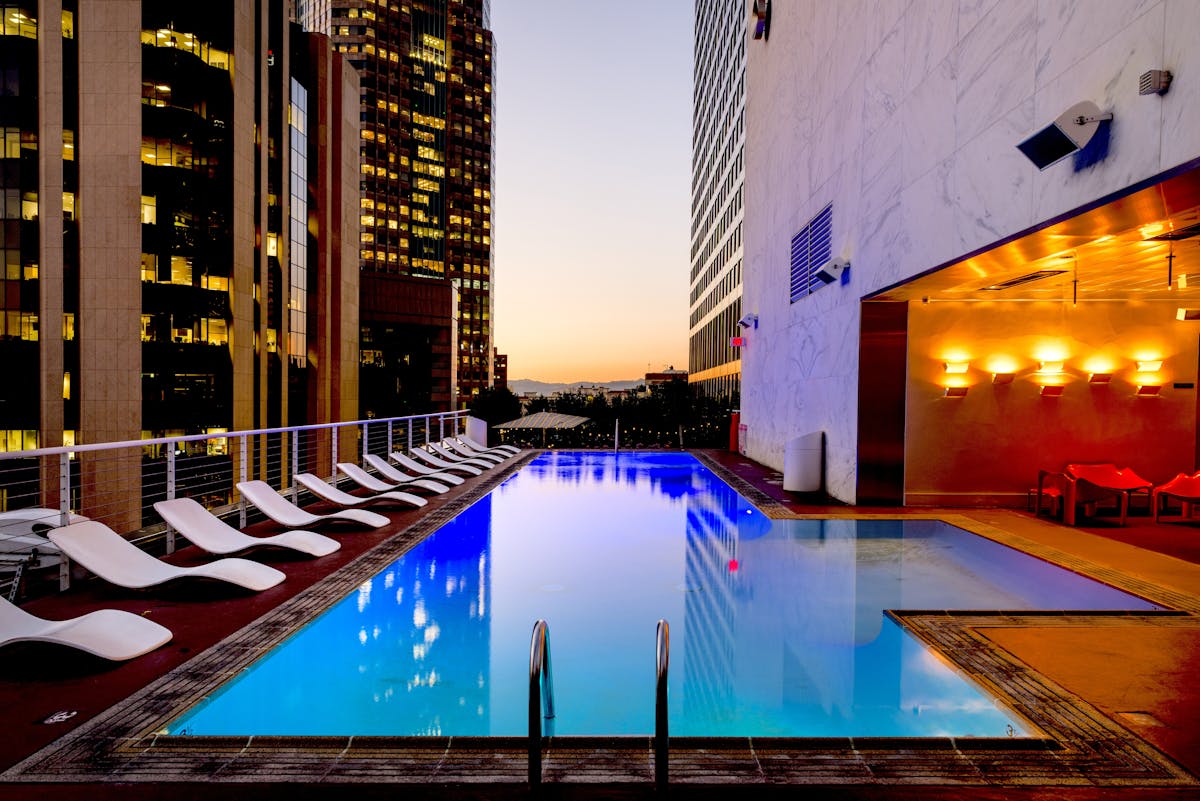
Gothic architecture in Czech hotels represents one of the most dramatic and impressive styles found in historical accommodations. Characterized by pointed arches, ribbed vaults, and flying buttresses, Gothic buildings create a sense of verticality and grandeur that makes them ideal for conversion into hotels.

Many Gothic hotels in the Czech Republic were originally monasteries, churches, or fortifications that have been carefully adapted for hospitality use. The preservation of Gothic elements such as stone carvings, stained glass windows, and vaulted ceilings creates an atmosphere of historical authenticity.

The challenge in converting Gothic buildings into hotels lies in maintaining the integrity of the original architecture while creating comfortable guest spaces. This often involves careful restoration of stonework, preservation of original windows, and the sensitive integration of modern amenities.
Baroque hotel architecture

Baroque Splendor

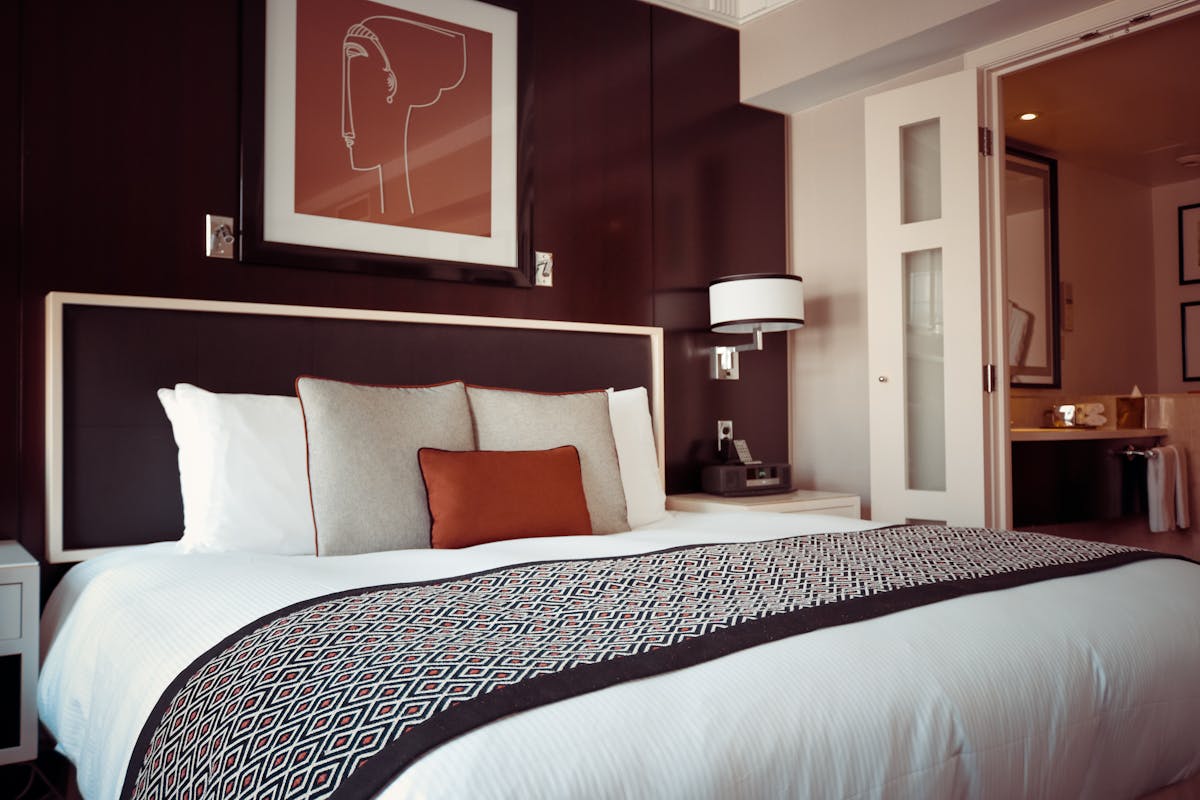
Baroque architecture represents a golden age of Czech building, with many historical hotels showcasing the opulent style that characterized the 17th and 18th centuries. Baroque hotels feature elaborate decoration, curved forms, and dramatic use of light and shadow.

Baroque hotels often include grand staircases, ornate stucco work, frescoed ceilings, and elaborate gardens. These elements create a sense of luxury and grandeur that has been carefully preserved in many historical properties.

The restoration of Baroque hotels requires expertise in traditional crafts such as stucco work, fresco painting, and stone carving. Many properties work with skilled artisans who use traditional techniques to restore and maintain these decorative elements.

Renaissance hotel building

Renaissance Elegance

Renaissance architecture brought classical proportions and harmonious design to Czech buildings, creating hotels that balance elegance with functionality. Renaissance hotels feature symmetrical facades, classical columns, and decorative elements inspired by ancient Roman and Greek architecture.

Many Renaissance hotels were originally palaces or grand townhouses built for wealthy merchants and nobility. These buildings often feature courtyards, arcades, and beautifully proportioned rooms that translate well into hotel accommodations.

The restoration of Renaissance hotels focuses on preserving classical proportions, restoring decorative elements such as sgraffito work, and maintaining the harmonious relationship between interior and exterior spaces.

Art Nouveau hotel design

Art Nouveau Innovation

Art Nouveau architecture represents a more recent but equally important period in Czech hotel design. Characterized by flowing lines, organic forms, and elaborate decorative details, Art Nouveau hotels offer a unique aesthetic experience.

Many Art Nouveau hotels in the Czech Republic were built during the late 19th and early 20th centuries, particularly in spa towns and major cities. These properties feature distinctive facades, elaborate ironwork, and interior decoration that reflects the Art Nouveau aesthetic.

The preservation of Art Nouveau hotels involves maintaining decorative elements such as stained glass, ceramic tiles, and metalwork, as well as preserving the overall design philosophy that emphasizes the integration of art and architecture.

Architectural Preservation

The preservation of architectural heritage in Czech hotels requires ongoing commitment and expertise. Property owners work with architectural historians, conservation specialists, and skilled craftspeople to ensure that historical features are maintained for future generations.

Many hotels participate in heritage preservation programs and receive recognition for their conservation efforts. This commitment to preservation not only maintains the cultural value of these buildings but also enhances the guest experience by providing authentic historical environments.

Visitors to Czech historical hotels have the opportunity to experience architecture that spans centuries, from medieval fortifications to modern interpretations of traditional styles. This architectural diversity reflects the rich cultural history of the Czech Republic and its importance in European architectural development.